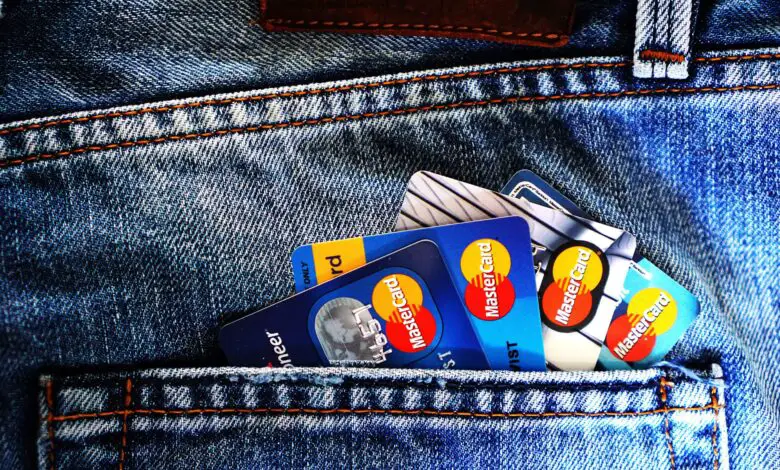
If you’re looking to improve your credit score, there are a few key steps you can take. First, check your credit report for any errors and dispute them if necessary. Then, make sure you’re making all of your payments on time, and consider paying down your debt. You can also try to get a mix of different types of credit, such as revolving and instalment loans.
The basics: what is a credit score?
A credit score is a numerical expression based on a level analysis of a person’s credit files, to represent the creditworthiness of an individual. A credit score is primarily based on credit report information typically sourced from credit bureaus.
Credit scores are used by financial institutions to evaluate the potential risk posed by lending money to consumers and help determine appropriate interest rates. A high credit score indicates low default risk, while a low score indicates high default risk.
Different types of loans often have different ranges for what is considered an acceptable score. For example, conventional mortgages usually require a minimum score of 620, while other types of loans may require a minimum score of 580.
Why is your credit score important
Your credit score is important for several reasons. First, it is one of the factors that lenders look at when considering a loan. A high credit score means you’re a low-risk borrower, which could lead to a lower interest rate on your loan. A low credit score could lead to a higher interest rate and could mean you won’t be approved for a loan at all.
Second, your credit score is important because it can affect your ability to rent an apartment or get insurance. landlords and insurers often use credit scores to determine whether to approve applications, and they may charge higher rates to those with lower scores.
Finally, your credit score can have an impact on your job prospects. Some employers run credit checks as part of their background screening process, and having a low score could hurt your chances of getting the job.
How to improve your credit score
If you’re looking to improve your credit score, there are a few things you’ll need to keep in mind. First, your payment history is the most important factor in your score, so you’ll need to make sure you’re always paying your bills on time. Secondly, your credit utilization – or how much of your available credit you’re using – is also important, so you’ll want to keep that number low. Finally, the length of your credit history is also a factor, so if you have a long history of responsible credit use, that will work in your favour. Your credit score is based on a number of factors, including how much money you owe and how recently you’ve applied for credit. Credit scores are calculated based on information from credit bureaus, which keep track of your payment history, credit limits and length of time you’ve had credit. So if you’re new to the game, here’s what you need to know about building a good credit score – stat!
What you need to know about building a good credit score
There are a few key things you need to know about building a good credit score. First, you need to make sure you pay your bills on time. This includes any credit card bills, student loans, car payments, or mortgage payments. If you can, it’s also a good idea to try to pay more than the minimum payment each month. Second, you need to keep your credit utilization low. This means that you shouldn’t max out your credit cards or have a high balance relative to your credit limit. Try to keep your balances under 30% of your total credit limit. Finally, you need to have a mix of different types of debt. This could include a mix of credit cards, student loans, and auto loans. Having different types of debt shows that you’re a responsible borrower and can help improve your credit score.
Check your credit report for errors
Your credit report is one of the most important documents in your financial life. It’s a record of your credit history that lenders use to determine whether to give you a loan and what interest rate they’ll charge you. That’s why it’s important to check your credit report regularly for errors.
There are four major credit reporting agencies in the UK: Equifax and Experian are the main ones =. You’re entitled to a copy of your credit report from each agency once every 12 months. You can request a copy of your report by visiting either Equifax or Experian.
Pay your bills on time
Your credit score is a key factor in determining your financial health. A high credit score means you’re a low-risk borrower, which could lead to lower interest rates on loans and credit cards. A low credit score could lead to higher interest rates and may even prevent you from being approved for a loan or credit card.
One of the most important things you can do to maintain a good credit score is to pay your bills on time. Payment history is the biggest factor in calculating your credit score, so it’s important to make all of your payments on time, every time. If you have trouble remembering to pay your bills on time, set up automatic payments with your bank or creditor. This way, you’ll never miss a payment and you’ll always have a good payment history.
Reduce your debt
Reduce your debt to improve your credit score. If you’re looking to improve your credit score, one of the best things you can do is reduce your debt. By paying down your outstanding balances, you’ll be able to improve your credit utilization ratio and show creditors that you’re a responsible borrower. There are a few different ways you can go about reducing your debt. You can work on paying off your high-interest debts first, or you can focus on eliminating smaller balances. Whichever approach you take, make sure you’re making at least the minimum payments on all of your accounts to avoid damaging your credit score further. By reducing your debt, you’ll not only improve your credit score, but you’ll also free up more money each month that can be used for other purposes.
Don’t close unused credit cards
It’s a common misconception that closing unused credit cards will improve your credit score. In fact, keeping those accounts open and active can actually help your score. Here’s why: Credit utilization is one of the key factors in determining your credit score. This ratio measures how much of your available credit you’re using at any given time. So, if you have two credit cards with a combined limit of £10,000 and you’re carrying a balance of £2,500 between them, your credit utilization ratio is 25%. If you close one of those cards, suddenly your available credit decreases to £5,000 while your debt remains the same at £2,500. That means your credit utilization ratio jumps up to 50%. And a higher credit utilization ratio can hurt your score.
Limit your credit card applications
If you’re looking to improve your credit score, one of the best things you can do is limit the number of credit card applications you make. Every time you apply for a new credit card, your credit score takes a hit. And while it may not seem like a big deal, those hits can add up over time and make it harder for you to get approved for loans or lines of credit in the future. So if you’re looking to improve your credit score, be selective about the credit cards you apply for. Only apply for cards that you know you’ll be approved for and that offer features and benefits that are important to you. And if you’re not sure which card is right for you, ask a financial advisor or someone with good credit for their recommendations.
Conclusion
In conclusion, there are a few key steps you can take to improve your credit score. First, make sure you keep updated on your payments and stay within your credit limit. Second, avoid opening too many new lines of credit at once. Third, monitor your credit report for inaccuracies. And finally, dispute any errors you find. By following these steps, you can improve your credit score and get back on track financially.