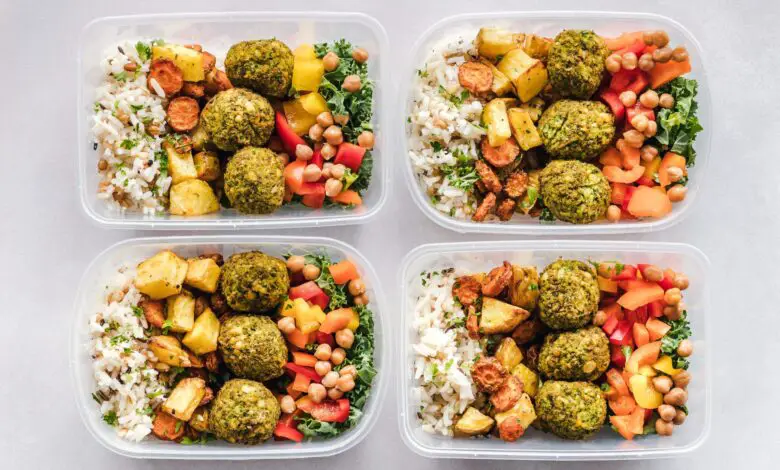
With the current state of the economy, many households are cutting back on their spending. One area that is often affected is the food budget. Here are 5 easy ways to bulk out your meals so that you can stretch your food budget further.
1. Add beans or legumes to soups and stews. Not only do they add protein and fibre, but they also help to thicken the dish. This is a great way to add bulk to a meal without having to spend extra on meat.
2. Incorporate vegetables into every meal. Vegetables are not only healthy, but they are also very inexpensive. Add them to soups, stews, pasta dishes, stir-fries, etc. for added bulk and nutrition.
3. Use whole-grain bread and pasta instead of refined varieties. Whole grains contain more fibre and nutrients than refined grains, and they will help to fill you up faster. They may cost a few cents more per serving, but they are worth it in the long run.
4. Make homemade sauces and dressings. Store-bought sauces and dressings can be expensive, and they often contain preservatives and other unhealthy ingredients. By making your own, you can control what goes into them and save money at the same time.
5. Stretch meat with vegetables or grains. When making dishes that call for meat, use less meat and bulk it out with chopped vegetables or cooked grains. This will not only save you money, but it will also make the dish healthier.
6. Use canned or frozen vegetables instead of fresh ones. Canned and frozen vegetables are much cheaper than fresh vegetables, and they still contain the same nutrients and fibre.
7. Make your own salad dressings. Store-bought salad dressings can be expensive, and they often contain preservatives and other unhealthy ingredients. By making your own, you can control what goes into them and save money simultaneously.
8. Use inexpensive protein sources such as eggs, tofu, legumes, and poultry. These protein sources are not only affordable, but they also contain essential nutrients that your body needs.
9. Try different grain mixes instead of always using white rice or pasta. Some grains, such as quinoa and farro, are not only healthy but they are also very affordable.
10. Get in the habit of eating leftovers. If you cook too much food one night, don’t throw it away – eat it for lunch or dinner the next day instead!
11. Use seasonings and spices liberally. Not only do they add flavour to your food, but they also help to make it more filling.
12. Experiment with new recipes. Trying new recipes is a great way to find dishes that are both healthy and affordable.
13. Stay away from processed foods. Processed foods are often high in fat, sodium, and sugar, and they can be very expensive. By cooking at home, you can avoid these unhealthy ingredients and save money at the same time.
14. Plan your meals in advance. This will help you to stay on track with your food budget, and it will also help you to make healthy choices.
15. Buy in bulk when possible. Buying in bulk can save you a lot of money, especially if you are buying items that are not perishable.
16. Shop at farmer’s markets and ethnic grocery stores. Farmer’s markets and ethnic grocery stores often have cheaper prices than traditional grocery stores.
17. Cook simple meals that are affordable and healthy. There are many simple and affordable recipes that are both healthy and delicious. Try searching for them online or in cookbooks.
18. Be creative with your cooking. There are many ways to cook food inexpensively and healthily. Experiment with different methods, spices, and ingredients to find dishes that you enjoy.
19. Compare prices between different grocery stores. Not all grocery stores charge the same amount for the same items. By comparing prices, you can find the store that offers the best deal on the items that you need.
20. Eat out less often. Eating out can be expensive, especially if you are eating at a restaurant that serves high-priced menu items. Instead of eating out, try cooking at home instead.
Conclusion
With a little creativity and effort, you can easily bulk out your meals on a budget. By adding beans or legumes, incorporating vegetables into every meal, using whole grain bread and pasta, making homemade sauces and dressings, and stretching meat with vegetables or grains, you can save money and still enjoy hearty, nutritious meals. Give these tips a try next time you’re planning your weekly menu!