Mortgage holders dealt a blow as Bank of England announces biggest interest rate hike in 30 years

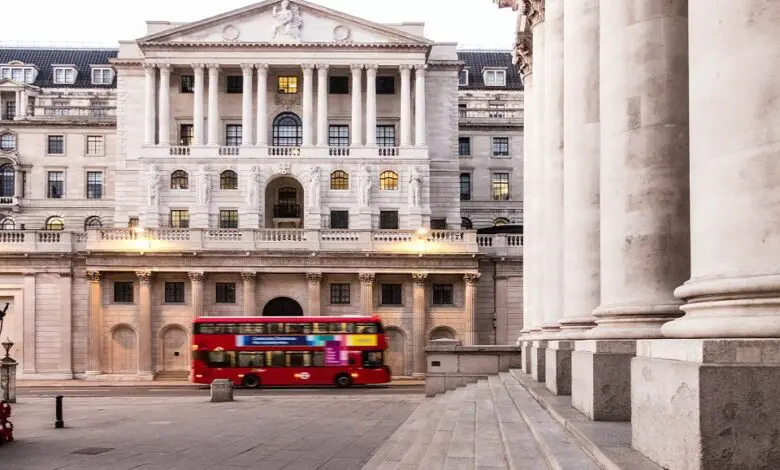
The Bank of England is set to implement the biggest interest rate rise for 30 years this week in a new blow to millions of borrowers. As central banks worldwide step up their fight against inflation, rates in the UK are expected to go up from 2-and 25 per cent -the highest it’s been since Black Wednesday when they left Europe’s Exchange Rate Mechanism (ERM). And because borrowing costs increased nearly one year ago as well–with no end yet sight on what could happen next due mainly thanks largely economic uncertainty caused by BREXIT– mortgage affordability will become even more difficult than before if you’re looking at getting your hands on that first house or buy.
Inflation in the UK has reached a 40-year high of 10.1% above its 2% goal. The Monetary Policy Committee of the Bank of England has raised interest rates at all of its past seven meetings, going from an all-time low of 0.1% in December to 2.25% right now, though never by more than half a percentage point at once.
But the International Monetary Fund has indicated that a 0.75 point increase is firmly on the cards on Thursday. Kwasi Kwarteng’s mini-Budget will have a direct influence over the Bank of England and will likely see it raise rates by 1 point as part of an effort to counteract trouble in financial markets.
The arrival of tax cuts and the policy of the resulting stabilisation of the pound have made it difficult for the treasury to create new taxes. Laith Khalaf, an analyst at industry broker AJ Bell, stated: “The interest rate is rising, but the Government’s climbdown from the inflationary policies of Tiltoveromics means that the Bank of England doesn’t have to panic quite so much and attempt to trap it.
Homeownership is projected to become significantly more expensive for mortgage holders in 2023 as prices hit 5 per cent based on their historical trends.
How Will This Impact Home Owners?
An increase in interest rates will have different impacts on homeowners across the UK depending on their budgeting and spending habits. For some, an increase may mean cutting back on unnecessary spending to make ends meet. Others may be able to weather the storm by making small adjustments to their budget.
Some homeowners may also find themselves in a position where they can no longer afford their mortgage payments. If this is the case, they may be forced to sell their home or default on their loan, which could ruin their credit score.
Overall, an increase in interest rates can be difficult for homeowners to manage. It is essential to stay mindful of your budget and spending habits to make the necessary adjustments if rates go up.
In conclusion, an increase in interest rates will have a negative impact on homeowners in the UK. This is because the majority of homeowners have variable-rate mortgages, which means that their monthly payments will increase. This could lead to many people struggling to keep up with their mortgage payments and eventually losing their homes. The government needs to take action to help these people by either keeping interest rates low or providing financial assistance.