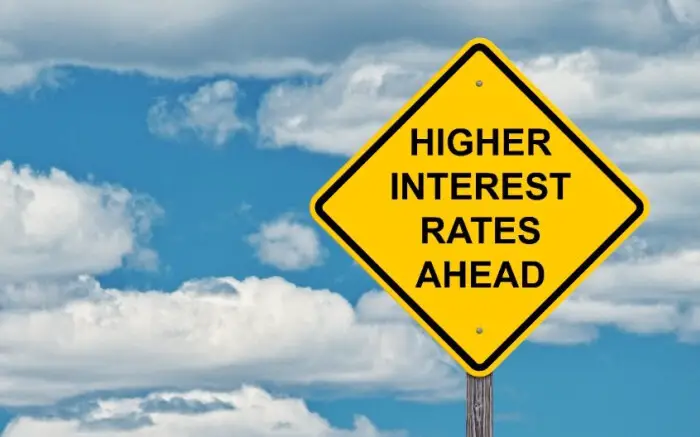
Interest rates are on the rise. This is good news for savers, but not-so-good news for borrowers. If you’re someone who’s been thinking about getting your finances in order, now is the time to start saving. Here’s what you need to know.
What does it mean when interest rates are rising?
In short, it means that the cost of borrowing money is going up. So, if you have any debt—like a mortgage, car loan, or credit card balance—you can expect your payments to increase. On the flip side, if you’re a saver, you’ll see a higher return on your investment. That’s because when interest rates go up, banks and other financial institutions raise the rate they pay on savings accounts and certificates of deposit (CDs).
Who Benefits from a rise in interest rate?
The people who benefit from a rise in interest rates are savers. When interest rates go up, banks and other financial institutions raise the rate they pay on savings accounts and certificates of deposit (CDs). So, if you’re someone who’s been thinking about getting your finances in order, now is the time to start saving.
What should I do if I have debt?
If you’re carrying any kind of debt, now is the time to start paying it down. The sooner you can get rid of your debt, the less you’ll have to pay in interest. If you have high-interest debt, like a credit card balance, consider transferring it to a low-interest account. And whatever you do, don’t take on any new debt until you’ve paid off what you already owe.
Saving money is important, but so is having a plan for your finances. If you’re not sure where to start, talk to a financial advisor. They can help you create a budget, set savings goals, and make a plan to get out of debt
No matter what your financial situation looks like, it’s never too late to start saving. The sooner you start, the more money you’ll have down the road. And with interest rates on the rise, there’s no better time to start than now.
What should I do if I’m a saver?
If you’re in the habit of sticking your money in a savings account and letting it sit there, now is the time to reevaluate your strategy. With interest rates on the rise, you can earn more by investing your money in CDs or high-yield savings accounts. Just remember to shop around for the best rates and terms before making any decisions.
Ways to start saving money?
1. Make a budget and stick to it.
Budgeting is one of the best ways to get your finances in order. But it’s not always easy to do. Here are a few tips to help you stay on track.
How to budget
1. Start by creating a budget that reflects your current financial situation. This means accounting for all of your income and expenses, including bills, groceries, entertainment, and debt payments
2. Make sure your budget is realistic. It’s important, to be honest with yourself about what you can and can’t afford. If you’re not comfortable with your budget, you’re unlikely to stick with it in the long run
3. Stick to your budget! This may be the hardest part, but it’s essential if you want to improve your financial situation. Set aside time each week to review your budget and make any necessary adjustments.”
Cut back on unnecessary expenses
It can be tough to save money, especially when there are so many temptations around us. But if you’re willing to make a few small sacrifices, you can easily trim your budget and start building up your savings.
Automate your finances
One of the best ways to save money and stay on track with your finances is to automate as much of it as possible. This means setting up automatic payments for bills, transferring money into savings accounts, and even investing in stocks and mutual funds. Here are a few tips on how to get started
1. Start by creating a budget that reflects your current financial situation. This means accounting for all of your income and expenses, including bills, groceries, entertainment, and debt payments
2. Make sure your budget is realistic. It’s important, to be honest with yourself about what you can and can’t afford. If you’re not comfortable with your budget, you’re unlikely to stick with it in the long run
3. Automate your finances! This may be the hardest part, but it’s essential if you want to improve your financial situation. Set aside time each week to review your budget and make any necessary adjustments.”
Invest in yourself
One of the best ways to improve your financial situation is to invest in yourself. This means spending money on education, training, and other opportunities that will help you grow professionally and personally. Here are a few tips on how to get started
1. Invest in your education. Education is one of the best investments you can make. Not only does it help you learn new skills and knowledge, but it also increases your earning potential over time
2. Attend workshops and seminars. There are many workshops and seminars available on a wide variety of topics, from personal finance to leadership development. These events can be a great way to learn new skills and meet like-minded people
3. Start a business venture. If you have an entrepreneurial spirit, starting your own business is a great way to invest in yourself. The sky’s the limit when it comes to what you can do, so be creative and think outside the box.”
Interest rates are rising—but that doesn’t mean it’s time to panic. If anything, it’s a good opportunity to get your finances in order. If you have debt, now is the time to start paying it down. And if you’re a saver, it’s time to start looking for ways to earn more on your investment. Stay informed and make smart decisions, and you’ll be on your way to financial success.